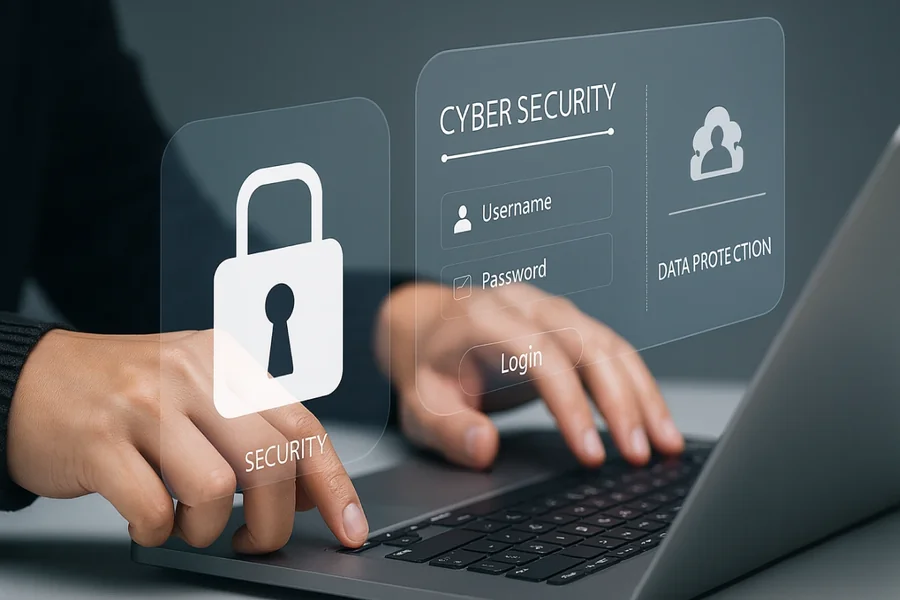
Computers are used for work, education, communication, shopping, banking, entertainment, and many other daily activities. As more personal and professional information is stored digitally, protecting computers has become increasingly important. A strong Computer Security Tips Guide can help users understand common risks and take practical steps to protect devices, accounts, files, and personal information.
Cyber threats can affect anyone. Hackers may use malware, phishing messages, weak passwords, fake websites, and other methods to gain unauthorized access to systems. A security problem can lead to stolen information, damaged files, financial loss, or interruptions to important activities.
The good news is that many effective security practices are simple. Keeping software updated, using strong passwords, securing internet connections, and being careful with emails and downloads can significantly reduce common risks. Computer security is not a single action but an ongoing process that requires regular attention.
Keep Operating Systems and Software Updated
One of the most important steps for computer security is keeping software updated. Operating systems and applications regularly receive updates that may include security fixes, performance improvements, and new features.
Cybercriminals sometimes target known weaknesses in outdated software. When a security vulnerability becomes publicly known, attackers may attempt to exploit systems that have not installed the available fix.
Users should enable automatic updates when appropriate. This can help ensure that important security patches are installed without requiring constant manual checking.
However, updates should not be limited to the operating system. Web browsers, office applications, media players, security software, plugins, and other programs should also be updated regularly.
Users should also remove software that is no longer needed. Unused applications may create unnecessary security risks if they are not maintained or updated.
When installing software, users should download it from official or trusted sources. Fake applications can contain malware designed to steal information or damage a computer.
Use Strong Passwords and Multi-Factor Authentication
Passwords remain an important part of computer security. Weak or reused passwords can make it easier for attackers to access accounts.
A strong password should be difficult to guess and should not contain obvious personal information. Users should avoid using the same password for multiple accounts because one compromised account could place other accounts at risk.
Password managers can help users create and store unique passwords. Instead of remembering many complex passwords, users can protect them through a secure password management system.
Multi-factor authentication adds an additional layer of protection. It may require a verification code, authentication app, security key, or another method in addition to a password.
Whenever multi-factor authentication is available, users should consider enabling it for important accounts. Email, financial accounts, cloud storage, and work platforms often contain sensitive information and deserve additional protection.
Users should also be careful when responding to password reset messages. Attackers may send fake security alerts designed to trick people into entering login details on fraudulent websites.
Protect Computers From Malware and Suspicious Downloads
Malware is a broad term for harmful software that can damage systems, steal information, or provide unauthorized access. Viruses, spyware, ransomware, and trojans are examples of malicious software.
Security software can help detect and block certain threats. Users should keep their security tools updated so they can recognize newer threats.
However, security software should not replace careful behavior. Users should be cautious when opening unexpected attachments or downloading unfamiliar files.
Email attachments can be dangerous even when a message appears to come from a familiar person. If an attachment is unexpected, users should verify it before opening it.
Software downloads should come from trusted sources. Free programs from unknown websites may contain unwanted software or hidden malware.
Users should also be careful with pirated software. Illegal downloads may contain malicious code and can create significant security risks.
External storage devices should also be used carefully. USB drives from unknown sources may contain harmful files. Security software should scan removable devices when appropriate.
Secure Your Internet Connection and Wi-Fi Network
Internet security is closely connected to computer security. An unsecured network can make it easier for unauthorized individuals to monitor activity or attempt to access connected devices.
Home Wi-Fi networks should use strong passwords and modern security settings. Users should change default router login details because default credentials may be publicly known.
Router software should also be updated when updates are available. A router is an important part of the home network and should not be ignored when improving security.
Public Wi-Fi networks can create additional risks. Users should be cautious when accessing sensitive accounts through public networks. Avoiding financial transactions or other highly sensitive activities on unsecured networks may reduce exposure.
Virtual private network services may provide additional protection in certain situations. However, users should choose reputable services and understand that a VPN does not eliminate every security risk.
Computers should also have firewalls enabled when appropriate. A firewall can help control certain network connections and provide another layer of protection.
Back Up Important Files Regularly
Data loss can happen because of malware, hardware failure, accidental deletion, theft, or other unexpected events. Regular backups can help users recover important files.
Important documents, photos, work files, and other valuable data should be backed up to a secure location. Depending on the situation, users may choose external storage, cloud-based backup services, or multiple backup methods.
A single backup is not always enough. If the backup device is damaged or infected, the user may lose both the original files and the backup.
Users should also test backups regularly. A backup is only useful if files can be restored successfully when needed.
Ransomware is another reason backups are important. Some types of malware can encrypt files and prevent users from accessing them. A separate and secure backup may help reduce the impact of such an attack.
Backup devices should be protected carefully. When possible, important backups should not remain permanently connected to a computer that could become infected.
Practice Safe Browsing and Email Habits
Many cyberattacks begin with a deceptive message or website. Phishing attacks attempt to trick users into providing passwords, financial information, or other sensitive details.
Users should be cautious with messages that create a strong sense of urgency. Requests to immediately verify an account, send money, or open an unexpected file should be reviewed carefully.
Website addresses should also be checked before entering sensitive information. Fake websites may look similar to legitimate services but use slightly different addresses.
Users should avoid clicking suspicious links. If a message appears to come from a bank or online service, it may be safer to visit the official website directly instead of clicking a link in the message.
Social media can also create security risks. Sharing too much personal information may help attackers guess passwords or create convincing scams.
Users should review privacy settings and be careful about the information they make publicly available.
Protect Physical Devices and Personal Information
Computer security is not limited to online threats. Physical access to a device can also create serious risks.
Users should lock their computers when stepping away. A password or other screen lock can help prevent unauthorized access.
Laptops and portable devices should be protected when traveling. Leaving a computer unattended in a public place can increase the risk of theft.
Sensitive documents should also be handled carefully. Personal information stored in files can be valuable to criminals if a device is compromised.
Users should consider encrypting important data when appropriate. Encryption can make information more difficult to access if a device is lost or stolen.
Old computers and storage devices should be disposed of carefully. Simply deleting files may not completely remove the information. Secure data deletion or proper device disposal methods may be more appropriate for sensitive data.
Final Thought
Computer security requires consistent habits and regular attention. Users can reduce many common risks by keeping software updated, using strong passwords, enabling multi-factor authentication, avoiding suspicious downloads, securing Wi-Fi networks, and backing up important files.
Awareness is one of the most powerful security tools. Users who understand common threats are more likely to recognize suspicious messages, fake websites, and unusual account activity.
No security system can guarantee complete protection from every possible threat. However, combining reliable security tools with careful digital habits can make computers significantly safer.
As technology continues to become a larger part of everyday life, computer security will remain an important responsibility. By following practical security practices and staying alert to new threats, users can better protect their devices, data, accounts, and personal information.
FAQs
Why is computer security important?
Computer security helps protect devices, personal information, files, accounts, and networks from malware, unauthorized access, data theft, and other digital threats.
What is the most important computer security habit?
Using strong unique passwords and enabling multi-factor authentication for important accounts are among the most important computer security habits.
How often should computer software be updated?
Software should be updated whenever trusted security updates become available. Automatic updates can help users install important patches more consistently.
Can antivirus software protect a computer from every threat?
No. Security software can help detect and block many threats but users must also practice safe browsing, use strong passwords, and avoid suspicious files and links.
Is public Wi-Fi safe to use?
Public Wi-Fi can create security risks. Users should avoid accessing highly sensitive accounts on unsecured networks and use appropriate security precautions.
Why are computer backups important?
Backups help users recover important files after accidental deletion, hardware failure, malware infections, ransomware attacks, or other unexpected problems.
How can I protect my computer from phishing attacks?
Check messages carefully, avoid suspicious links and attachments, verify unexpected requests, and visit official websites directly instead of using questionable email links.
Should I use a password manager?
A password manager can help users create and store strong unique passwords for different accounts. It can be useful for improving password security.
What should I do if my computer may be infected?
Disconnecting the device from the network, avoiding further use of sensitive accounts, running trusted security checks, and seeking professional assistance when necessary can help limit potential damage.