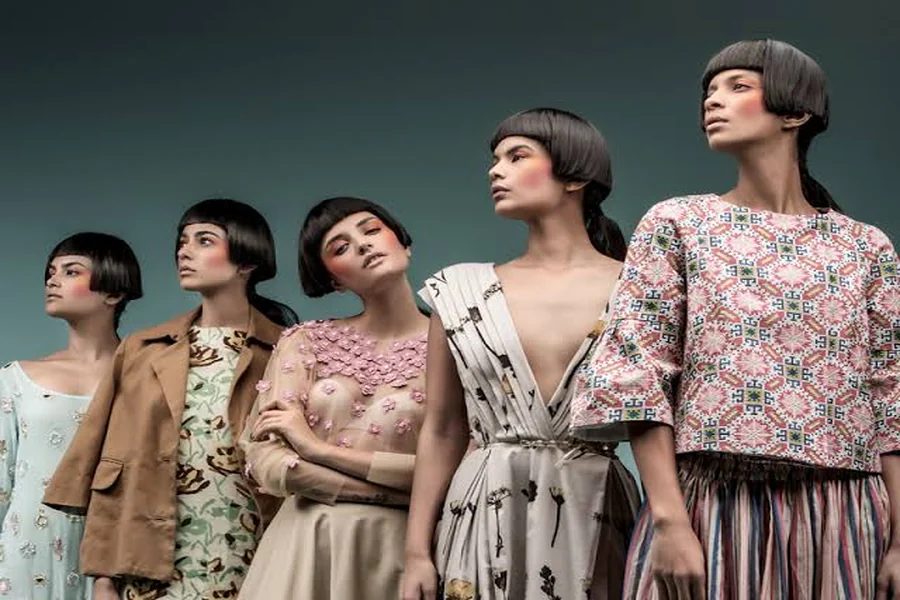
Sustainable Fashion Trends Today
The fashion industry is changing as more people choose clothing that supports both personal style and environmental responsibility. Sustainable Fashion Trends Today focus on creating wardrobes that last longer, reduce waste, and encourage mindful shopping. Instead of buying large amounts of fast fashion, many consumers now prefer quality garments made from durable materials that can be worn for years. Sustainable fashion is not about giving up style. It is about making thoughtful choices that benefit your wardrobe, your budget, and the planet. By combining timeless clothing with responsible shopping habits, anyone can enjoy fashionable outfits while reducing their environmental impact.
Why Sustainable Fashion Is Growing in Popularity
Consumers are becoming more aware of how clothing production affects the environment. Fast fashion often leads to excessive waste, high resource consumption, and short product lifespans. As a result, many people are choosing brands that prioritize ethical manufacturing, fair working conditions, and environmentally friendly materials. Clothing made from organic cotton, recycled fabrics, linen, hemp, and responsibly sourced fibers is becoming increasingly popular because these materials reduce environmental impact while maintaining comfort and durability. People also appreciate that sustainable fashion encourages thoughtful purchases rather than constant shopping, helping wardrobes remain stylish without unnecessary waste.
Building a Sustainable Wardrobe That Lasts
A sustainable wardrobe begins with buying fewer but better-quality pieces. Timeless essentials such as well-fitted jeans, classic shirts, tailored trousers, versatile dresses, comfortable knitwear, and durable outerwear provide the foundation for countless outfit combinations. Neutral colors make it easier to mix and match clothing throughout the year, reducing the need for frequent purchases. Before buying new items, it is helpful to consider whether they complement existing pieces and can be worn for different occasions. Choosing garments with quality stitching, durable fabrics, and timeless designs ensures they remain useful across multiple seasons while providing better long-term value.
Smart Shopping Habits for Sustainable Fashion
Responsible shopping involves planning purchases instead of making impulse decisions. Creating a wardrobe checklist helps identify clothing that is genuinely needed rather than buying items simply because they are trendy. Shopping during seasonal sales, supporting ethical brands, and purchasing second-hand clothing are all effective ways to reduce waste while saving money. Vintage stores, clothing swaps, and resale marketplaces provide access to unique fashion pieces that often remain in excellent condition. Investing in versatile garments instead of short-lived trends allows your wardrobe to stay stylish while minimizing unnecessary consumption.
Caring for Clothes to Extend Their Lifespan
One of the simplest ways to support sustainable fashion is by taking better care of the clothes you already own. Washing garments according to their care instructions helps preserve fabric quality and color. Air drying instead of frequent machine drying can reduce wear while lowering energy use. Small repairs such as replacing buttons, fixing loose seams, or mending minor tears prevent clothing from being discarded too early. Proper storage using suitable hangers and clean, dry spaces also helps garments maintain their shape and appearance. Extending the life of clothing reduces waste and maximizes the value of every purchase.
Sustainable Style Without Sacrificing Fashion
Many people assume sustainable fashion limits creativity, but the opposite is true. A carefully planned wardrobe encourages versatile styling by combining timeless basics with a few seasonal pieces. Accessories such as scarves, belts, handbags, jewelry, and shoes can refresh familiar outfits without requiring entirely new clothing. Layering garments in different ways also creates fresh looks throughout the year. Choosing quality over quantity allows personal style to develop naturally while reducing unnecessary purchases. Sustainable fashion proves that looking stylish and making environmentally responsible choices can easily go hand in hand.
Final Thought
Sustainable Fashion Trends Today encourage a smarter approach to building a wardrobe that combines style, quality, and responsibility. By investing in timeless essentials, choosing durable materials, shopping thoughtfully, and caring for clothing properly, you can reduce waste while enjoying fashionable outfits for years to come. Sustainable fashion is not about following strict rules but about making better decisions that benefit both your lifestyle and the environment. Every thoughtful purchase contributes to a wardrobe that is practical, stylish, and built to last.
FAQs
What are sustainable fashion trends today?
Sustainable fashion trends focus on ethical clothing production, durable materials, mindful shopping, and building wardrobes that reduce environmental impact.
How can I create a sustainable wardrobe?
Choose timeless clothing, buy quality garments, avoid impulse purchases, and select versatile pieces that can be worn throughout the year.
Which fabrics are considered sustainable?
Organic cotton, linen, hemp, recycled fibers, and responsibly sourced natural materials are among the most popular sustainable fabric choices.
Is second-hand shopping part of sustainable fashion?
Yes. Buying second-hand clothing extends the life of garments, reduces waste, and often saves money while offering unique fashion finds.
How can I make my clothes last longer?
Follow proper washing instructions, air dry when possible, repair minor damage, and store clothing correctly to maintain its quality.
Why is sustainable fashion becoming more popular?
More people want clothing that lasts longer, reduces waste, supports ethical manufacturing, and provides better long-term value while helping protect the environment.









1 thought on “Sustainable Fashion Trends Today for a Smarter Wardrobe”