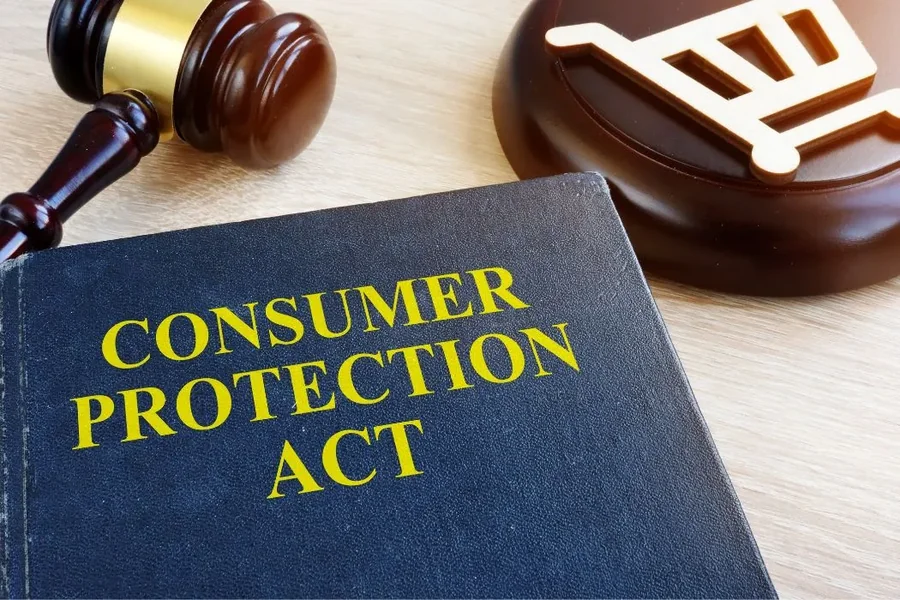
Consumer Rights Law Information
Consumer Rights Law Information helps individuals understand the legal protections available when purchasing goods or services. Consumer protection laws are designed to promote fair business practices, ensure product safety, prevent deceptive conduct, and provide remedies when problems arise. Whether you are shopping online, purchasing products from a retail store, or hiring a service provider, understanding your legal rights can help you make informed decisions and respond effectively if a dispute occurs. Since consumer protection laws vary by country, state, and province, this guide provides general educational information rather than legal advice for any specific situation.
Understanding Consumer Rights and Legal Protections
Consumer rights are legal protections that help ensure buyers receive fair treatment in the marketplace. These rights often include protection against misleading advertising, defective products, unfair contract terms, false representations, and unsafe goods. Many jurisdictions require businesses to provide accurate product information, honor applicable warranties, and comply with product safety standards. Consumers may also have legal rights relating to pricing transparency, delivery obligations, privacy protection, and access to dispute resolution procedures. Understanding these protections helps consumers make confident purchasing decisions while encouraging businesses to operate responsibly.
Product Warranties, Returns, and Refunds
Many consumer transactions involve warranties, return policies, and refund rights. A warranty is generally a promise that a product will meet certain quality or performance standards for a specified period. Some warranties are provided by manufacturers, while others may be offered by retailers or required under consumer protection laws. Return and refund rights vary depending on the product, the reason for the return, and the laws that apply in the relevant jurisdiction. In some cases, consumers may be entitled to repairs, replacements, or refunds if goods are defective, damaged, or fail to meet legal quality standards. Reviewing warranty terms and store policies before making a purchase can help avoid misunderstandings later.
Online Shopping and Digital Consumer Rights
Online shopping has expanded rapidly, bringing new legal protections for digital transactions. Consumers purchasing products or services online often benefit from requirements related to transparent pricing, secure payment methods, delivery information, cancellation rights where applicable, and data privacy protections. Businesses may also be required to provide accurate product descriptions, estimated delivery times, and clear terms of service. Buyers should verify that they are purchasing from reputable retailers, review customer policies carefully, and keep copies of receipts, order confirmations, and correspondence. These records may be helpful if a dispute arises regarding delivery, product quality, or payment.
Resolving Consumer Disputes
Consumer disputes can arise from defective products, delayed deliveries, billing errors, warranty disagreements, or unsatisfactory services. Many issues can be resolved by contacting the business directly and providing clear documentation of the problem. If a resolution cannot be reached, consumers may have access to mediation services, consumer protection agencies, regulatory authorities, or small claims courts depending on the laws of their jurisdiction. Maintaining receipts, invoices, warranty documents, photographs, and written communications can strengthen a consumer’s position when seeking a resolution. Acting promptly after discovering a problem may also improve the likelihood of resolving the dispute successfully.
Tips for Protecting Your Consumer Rights
Consumers can reduce potential problems by taking a few practical precautions before making purchases. Researching products, comparing prices, reading customer reviews, and understanding warranty terms can help identify reliable sellers and quality products. Always request receipts or invoices and carefully review contracts before signing. When shopping online, use secure payment methods and verify that websites are legitimate before providing personal information. Keeping organized records of purchases and communications makes it easier to address issues if they occur. Staying informed about consumer protection laws also helps buyers recognize unfair practices and understand the remedies that may be available.
Final Thought
Consumer Rights Law Information provides valuable knowledge that helps buyers make informed purchasing decisions while understanding the legal protections available in the marketplace. Knowing your rights regarding product safety, warranties, refunds, online shopping, and dispute resolution can reduce risks and improve your confidence as a consumer. Because consumer protection laws differ across jurisdictions, it is important to understand the specific legal rules that apply where you live or make purchases. When complex legal issues arise or significant financial losses are involved, consulting a qualified legal professional or the appropriate consumer protection authority may be beneficial.
FAQs
What are consumer rights?
Consumer rights are legal protections that help ensure buyers receive fair treatment, safe products, accurate information, and remedies when goods or services fail to meet legal standards.
What should I do if I receive a defective product?
Contact the seller or manufacturer promptly, keep your receipt, document the problem, and review the applicable warranty or return policy to determine the available remedies.
Do consumers have refund rights?
Refund rights depend on the applicable laws, the reason for the return, the type of product, and the seller’s policies. Some jurisdictions provide legal rights to repairs, replacements, or refunds for defective goods.
How can I protect myself when shopping online?
Shop from reputable websites, use secure payment methods, review return policies, keep order confirmations, and avoid sharing unnecessary personal information.
What evidence is useful in a consumer dispute?
Receipts, invoices, warranty documents, photographs, emails, text messages, contracts, and delivery records can all help support a consumer complaint.
Where can I seek help if a business does not resolve my complaint?
Depending on your jurisdiction, you may be able to contact a consumer protection agency, regulatory authority, mediation service, or seek advice from a qualified legal professional.