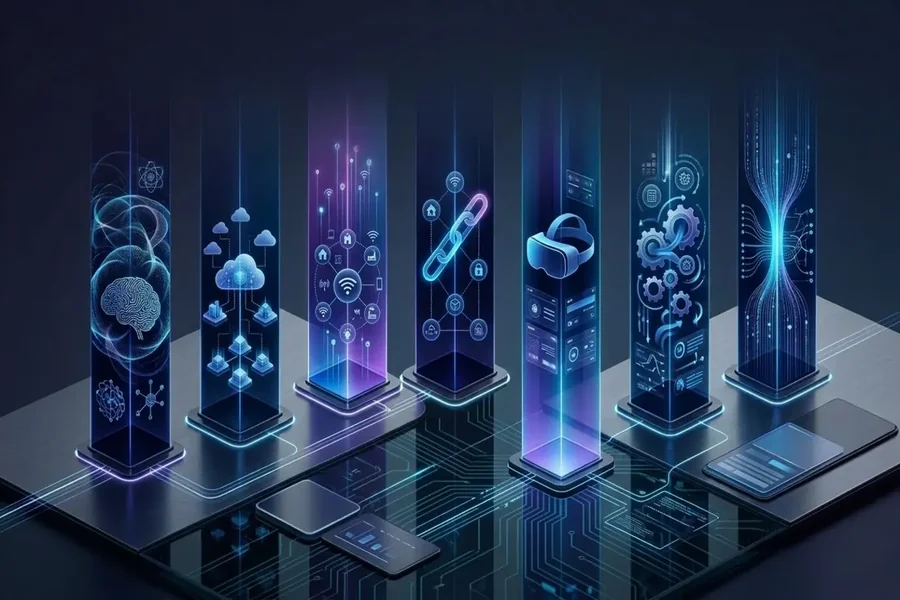
Software technology continues to change at a rapid pace. New applications, operating systems, cloud platforms, artificial intelligence tools, and security solutions are influencing how people work, communicate, learn, and manage everyday tasks. Keeping up with Latest Software Technology Updates can help individuals and businesses understand how digital tools are evolving and how new developments may affect the future.
Software is no longer limited to traditional computer programs. Modern digital systems include cloud-based platforms, mobile applications, intelligent assistants, automation tools, collaboration software, and advanced data services. Businesses rely on these technologies to improve productivity while individuals use them for communication, entertainment, education, shopping, and personal organization.
The software industry is also becoming more connected. Artificial intelligence is being integrated into different applications while cloud technology allows users to access services from almost anywhere. At the same time, cybersecurity has become more important as more personal and business information moves online. Understanding current software developments can help users make better decisions and adapt to a constantly changing digital environment.
Artificial Intelligence Is Becoming Part of Everyday Software
Artificial intelligence is one of the biggest forces influencing modern software development. AI features are being added to productivity platforms, search tools, customer service systems, design applications, and many other digital products.
AI-powered software can help users write content, summarize information, analyze data, create images, organize tasks, and automate repetitive work. These tools are becoming easier to use as software companies integrate intelligent features directly into existing applications.
Businesses are using AI to improve customer support and internal operations. Automated systems can answer common questions while employees focus on more complex issues. AI can also help companies examine large amounts of data and identify useful patterns.
Generative AI is also changing the way people interact with software. Instead of navigating complicated menus, users may be able to describe what they want in natural language. The software can then generate content or complete certain tasks based on the instructions.
However, AI software must be used carefully. Accuracy, privacy, and data security remain important concerns. Users should review AI-generated information and businesses should maintain appropriate human oversight when using intelligent systems for important decisions.
Cloud Software Is Improving Flexibility and Collaboration
Cloud computing continues to play an important role in software development. Cloud-based applications allow users to access files, tools, and services through the internet instead of depending entirely on software installed on a single device.
This flexibility is especially valuable for businesses with remote or hybrid teams. Employees can work from different locations and collaborate on shared documents, projects, and communication platforms.
Cloud software can also help businesses reduce the need to manage extensive hardware infrastructure. Organizations can access computing resources and software services according to their needs.
Software updates can also be delivered more efficiently through cloud platforms. Users may receive new features and security improvements without manually installing major updates.
Despite these benefits, cloud services require strong security measures. Businesses need to protect accounts, control access, and monitor their digital environments. Reliable internet access is also important for users who depend heavily on cloud-based applications.
Cybersecurity Software Is Becoming More Advanced
As digital threats continue to grow, cybersecurity software is becoming an essential part of modern technology. Businesses and individuals face risks such as phishing, malware, ransomware, data theft, and unauthorized access.
Modern security software uses advanced tools to identify suspicious activity and protect digital systems. Artificial intelligence and machine learning can help detect unusual patterns that may indicate potential threats.
Security platforms are also becoming more focused on real-time protection. Instead of only responding after an attack occurs, modern systems aim to identify risks as early as possible.
Businesses are increasingly using identity management tools, multi-factor authentication, encryption, and automated monitoring systems. These technologies can help protect sensitive information and reduce the risk of unauthorized access.
However, technology alone cannot eliminate every security risk. Users must also follow safe digital practices. Strong passwords, software updates, careful email habits, and employee security training remain important parts of a complete cybersecurity strategy.
Mobile Software Continues to Evolve
Mobile applications remain an important part of the software industry. People use apps for banking, shopping, communication, entertainment, education, travel, and work.
Modern mobile software is becoming more intelligent and personalized. AI features can help applications provide recommendations, automate tasks, and understand user preferences.
Mobile applications are also becoming more connected to other devices. Smartphones can interact with smartwatches, home systems, vehicles, and other connected products.
Developers are focusing on creating faster and more convenient mobile experiences. Applications are expected to load quickly, work smoothly across different devices, and protect user information.
Mobile software is also becoming important for businesses. Companies use applications to communicate with customers, process payments, manage services, and provide personalized experiences.
As mobile applications collect more user information, privacy and security will remain important considerations. Users should carefully review application permissions and understand how their data is being used.
Automation Is Changing Business Software
Automation is another important area of software development. Businesses are using automated systems to reduce repetitive tasks and improve efficiency.
Software can automate processes such as data entry, document management, customer communication, inventory tracking, and scheduling. This allows employees to spend more time on tasks that require creativity and human judgment.
Robotic process automation is also being used in industries such as finance, healthcare, logistics, and administration. Automated software can follow established rules and complete routine digital processes quickly.
The combination of automation and artificial intelligence is making business software more capable. Intelligent systems can analyze information and make recommendations while automated tools complete specific actions.
However, businesses should introduce automation carefully. Employees need to understand how new systems affect their responsibilities. Companies should also monitor automated processes to identify errors and ensure that systems are working as expected.
Software Development Is Becoming Faster and More Collaborative
The way software is created is also changing. Developers now have access to advanced tools that can support coding, testing, debugging, and project management.
AI-powered development tools can suggest code, identify potential errors, and help developers complete routine tasks more quickly. These tools do not eliminate the need for skilled developers but can improve productivity.
Cloud-based development platforms also allow teams to collaborate from different locations. Developers can share code, manage projects, and test software through connected systems.
Low-code and no-code platforms are making software development more accessible. People without advanced programming skills can use visual tools to create certain applications and business solutions.
These developments can help organizations respond more quickly to changing needs. However, complex software still requires careful planning, security testing, and professional oversight.
Final Thought
Latest Software Technology Updates are changing the way people and businesses use digital tools. Artificial intelligence, cloud computing, cybersecurity, mobile applications, automation, and modern development platforms are all contributing to a more connected software environment.
The future of software will likely focus on greater intelligence, improved automation, stronger security, and more personalized experiences. Businesses that understand these developments can make better technology decisions and improve their operations.
For individual users, staying informed can make it easier to choose useful applications and protect personal information. As software continues to evolve, adaptability and digital awareness will remain valuable skills in both personal and professional life.
FAQs
What are the latest software technology developments?
Artificial intelligence, cloud computing, automation, cybersecurity, mobile applications, low-code platforms, and AI-assisted software development are among the most important current developments.
How is AI changing software?
AI is helping software create content, analyze information, automate tasks, provide recommendations, and offer more personalized user experiences.
Why is cloud software important?
Cloud software allows users to access applications and information from different locations while supporting collaboration and flexible business operations.
How can software improve cybersecurity?
Modern security software can monitor activity, detect suspicious behavior, protect accounts, and help organizations respond to potential threats.
What is the role of automation in business software?
Automation helps businesses complete repetitive tasks more quickly and allows employees to focus on more complex and creative responsibilities.
Are mobile applications still important?
Yes, mobile applications remain essential for communication, shopping, banking, entertainment, education, and many other digital activities.
What is low-code software development?
Low-code development allows users to create certain applications with visual tools and limited traditional programming, making software creation more accessible.